Weather Alerts for New Mexico
1. Fire Weather Watch for: Northeast Plains; Northeast Highlands; Central Highlands; East Central Plains
2. Fire Weather Watch for: Sacramento Foothills and Guadalupe Mountains; Chaves County Plains; Eddy Plains; Lea; Gaines; Guadalupe Mountains Above 7000 Feet; Guadalupe and Delaware Mountains; Eastern Culberson County
3. Fire Weather Watch for: West Central Mountains; Middle Rio Grande Valley; West Central Basin and Range; Sandia and Manzano Mountains
4. High Wind Warning for: Eddy County Plains; Eastern Culberson County
5. High Wind Warning for: Guadalupe Mountains of Eddy County; Guadalupe Mountains Above 7000 Feet; Guadalupe and Delaware Mountains
6. High Wind Watch for: East Slopes Sangre de Cristo Mountains; Sandia/Manzano Mountains Including Edgewood; Estancia Valley; Central Highlands; South Central Highlands; South Central Mountains; Johnson and Bartlett Mesas Including Raton Pass; Far Northeast Highlands; Northeast Highlands; Guadalupe County; Eastern Lincoln County; Southwest Chaves County
7. Red Flag Warning for: Northeast Plains; Northeast Highlands; Central Highlands; East Central Plains
8. Red Flag Warning for: Southwest Mountains; Southwest Deserts and Lowlands; South Central Lowlands And Southern Rio Grande Valley; Capitan And Sacramento Mountains
9. Red Flag Warning for: Southwest Mountains; Southwest Deserts and Lowlands; South Central Lowlands And Southern Rio Grande Valley; Capitan And Sacramento Mountains
10. Wind Advisory for: Northern Lea County; Central Lea County; Van Horn and Highway 54 Corridor
11. Wind Advisory for: Sierra County Lakes; Northern Dona Ana County; Southern Dona Ana County/Mesilla Valley; Otero Mesa; West Central Tularosa Basin/White Sands; East Central Tularosa Basin/Alamogordo; Southeast Tularosa Basin; Western El Paso County; Eastern/Central El Paso County; Northern Hudspeth Highlands/Hueco Mountains; Rio Grande Valley of Eastern El Paso/Western Hudspeth Counties
12. Wind Advisory for: Upper Gila River Valley; Southern Gila Foothills/Mimbres Valley; Southwest Desert/Lower Gila River Valley; Lowlands of the Bootheel; Uplands of the Bootheel; Southwest Desert/Mimbres Basin; Eastern Black Range Foothills; West Slopes Sacramento Mountains Below 7500 Feet; Sacramento Mountains Above 7500 Feet; East Slopes Sacramento Mountains Below 7500 Feet; Central Grant County/Silver City Area; Southern Gila Region Highlands/Black Range
Want more detail? Get the Complete 7 Day and Night Detailed Forecast!
Current U.S. National Radar--Current
The Current National Weather Radar is shown below with a UTC Time (subtract 5 hours from UTC to get Eastern Time).

National Weather Forecast--Current
The Current National Weather Forecast and National Weather Map are shown below.

National Weather Forecast for Tomorrow
Tomorrow National Weather Forecast and Tomorrow National Weather Map are show below.

North America Water Vapor (Moisture)
This map shows recent moisture content over North America. Bright and colored areas show high moisture (ie, clouds); brown indicates very little moisture present; black indicates no moisture.

Weather Topic: What is Condensation?
Home - Education - Precipitation - Condensation
 Next Topic: Contrails
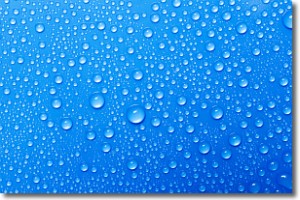
Condensation is the process which creates clouds, and therefore
it is a crucial process in the water cycle.
Condensation is the change of matter from a state of gas into a state of liquid,
and it happens because water molecules release heat into the atmosphere and
become organized into a more closely packed structure, what we might see as
water droplets.
Water is always present in the air around us as a vapor, but it's too small for
us to see. When water undergoes the process of condensation it becomes organized
into visible water droplets. You've probably seen condensation happen before on the
surface of a cold drink!
Next Topic: Contrails
Weather Topic: What are Cumulonimbus Clouds?
Home - Education - Cloud Types - Cumulonimbus Clouds
 Next Topic: Cumulus Clouds
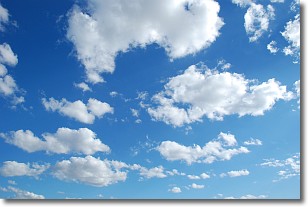
The final form taken by a growing cumulus cloud is the
cumulonimbus cloud, which is very tall and dense.
The tower of a cumulonimbus cloud can soar 23 km into the atmosphere, although
most commonly they stop growing at an altitude of 6 km.
Even small cumulonimbus clouds appear very large in comparison to other cloud types.
They can signal the approach of stormy weather, such as thunderstorms or blizzards.
Next Topic: Cumulus Clouds
Current conditions powered by WeatherAPI.com