Weather Alert in Oklahoma
Severe Thunderstorm Warning issued March 4 at 7:28AM CST until March 4 at 8:15AM CST by NWS Tulsa OK
AREAS AFFECTED: McIntosh, OK; Muskogee, OK; Wagoner, OK
DESCRIPTION: SVRTSA The National Weather Service in Tulsa has issued a * Severe Thunderstorm Warning for... Northeastern McIntosh County in southeastern Oklahoma... Southeastern Wagoner County in northeastern Oklahoma... Northern Muskogee County in east central Oklahoma... * Until 815 AM CST. * At 728 AM CST, a severe thunderstorm was located 4 miles south of Council Hill, moving northeast at 45 mph. HAZARD...60 mph wind gusts and half dollar size hail. SOURCE...Radar indicated. IMPACT...Hail damage to vehicles is expected. Expect wind damage to roofs, siding, and trees. * Locations in or near the path include... Wainwright... Rentiesville... Hitchita... Greenleaf State Park... Oktaha... Summit... Pumpkin Center... Fort Gibson... Muskogee... Braggs... Okay... Pierce... Council Hill... Checotah... Lake Eufaula State Park... Keefeton... This includes Interstate 40 in Oklahoma between mile markers 251 and 267.
INSTRUCTION: For your protection move to an interior room on the lowest floor of a building.
Want more detail? Get the Complete 7 Day and Night Detailed Forecast!
Current U.S. National Radar--Current
The Current National Weather Radar is shown below with a UTC Time (subtract 5 hours from UTC to get Eastern Time).

National Weather Forecast--Current
The Current National Weather Forecast and National Weather Map are shown below.

National Weather Forecast for Tomorrow
Tomorrow National Weather Forecast and Tomorrow National Weather Map are show below.

North America Water Vapor (Moisture)
This map shows recent moisture content over North America. Bright and colored areas show high moisture (ie, clouds); brown indicates very little moisture present; black indicates no moisture.

Weather Topic: What is Evaporation?
Home - Education - Precipitation - Evaporation
 Next Topic: Fog
Evaporation is the process which returns water from the earth
back to the atmosphere, and is another crucial process in the water cycle.
Evaporation is the transformation of liquid into gas, and it happens because
molecules are excited by the application of energy and turn into vapor.
In order for water to evaporate it has to be on the surface of a body of water.
Next Topic: Fog
Weather Topic: What are Fractus Clouds?
Home - Education - Cloud Types - Fractus Clouds
 Next Topic: Freezing Rain
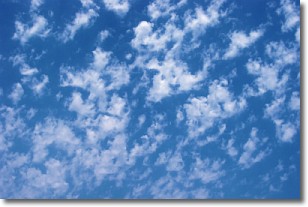
A fractus cloud (scud) is a fragmented, tattered cloud which has
likely been sheared off of another cloud. They are accessory clouds, meaning they
develop from parent clouds, and are named in a way which describes the original
cloud which contained them.
Fractus clouds which have originated from cumulus clouds are referred to as
cumulus fractus, while fractus clouds which have originated from stratus clouds
are referred to as stratus fractus. Under certain conditions a fractus cloud might
merge with another cloud, or develop into a cumulus cloud, but usually a
fractus cloud seen by itself will dissipate rapidly.
They are often observed on the leading and trailing edges of storm clouds,
and are a display of wind activity.
Next Topic: Freezing Rain
Current conditions powered by WeatherAPI.com