Weather Alert in Alaska
Winter Weather Advisory issued March 3 at 7:41AM AKST until March 4 at 12:00PM AKST by NWS Juneau AK
AREAS AFFECTED: City and Borough of Yakutat
DESCRIPTION: ...SNOW FOR THE NORTHERN AND CENTRAL PANHANDLE THROUGH WEDNESDAY... Another system is moving into the panhandle this morning and is bringing heavier snowfall rates across much of central and northern southeast Alaska. Snow is expected to mix with and eventually change over to rain on Tuesday from Kake over to Petersburg, however, if the changeover is delayed, snowfall amounts could be higher. * WHAT...Snow expected. Total snow accumulations of 5 to 8 inches. * WHERE...City and Borough of Yakutat. * WHEN...From 3 PM Tuesday to noon AKST Wednesday. * IMPACTS...Travel could be very difficult. * ADDITIONAL DETAILS...Snowfall amounts could be higher if the heaviest snow band, which is currently projected to set up west of Yakutat, moves further east.
INSTRUCTION: Slow down and use caution while traveling. People are urged to prepare their property before the onset of winter weather. For the latest road conditions, where available, call 5 1 1 or visit 511.alaska.gov.
Want more detail? Get the Complete 7 Day and Night Detailed Forecast!
Current U.S. National Radar--Current
The Current National Weather Radar is shown below with a UTC Time (subtract 5 hours from UTC to get Eastern Time).

National Weather Forecast--Current
The Current National Weather Forecast and National Weather Map are shown below.

National Weather Forecast for Tomorrow
Tomorrow National Weather Forecast and Tomorrow National Weather Map are show below.

North America Water Vapor (Moisture)
This map shows recent moisture content over North America. Bright and colored areas show high moisture (ie, clouds); brown indicates very little moisture present; black indicates no moisture.

Weather Topic: What are Cumulonimbus Clouds?
Home - Education - Cloud Types - Cumulonimbus Clouds
 Next Topic: Cumulus Clouds
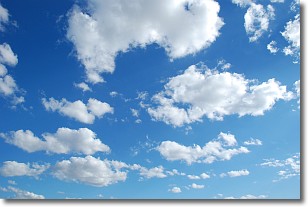
The final form taken by a growing cumulus cloud is the
cumulonimbus cloud, which is very tall and dense.
The tower of a cumulonimbus cloud can soar 23 km into the atmosphere, although
most commonly they stop growing at an altitude of 6 km.
Even small cumulonimbus clouds appear very large in comparison to other cloud types.
They can signal the approach of stormy weather, such as thunderstorms or blizzards.
Next Topic: Cumulus Clouds
Weather Topic: What is Drizzle?
Home - Education - Precipitation - Drizzle
 Next Topic: Evaporation
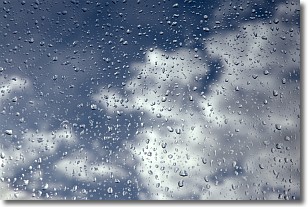
Drizzle is precipitation in the form of water droplets which are
smaller than raindrops.
Drizzle is characterized by fine, gently falling droplets and typically does not
impact human habitation in a negative way. The exception to this is freezing drizzle,
a condition where drizzle freezes immediately upon reaching earth's surface.
Freezing drizzle is still less dangerous than freezing rain, but can
potentially result in hazardous road conditions.
Next Topic: Evaporation
Current conditions powered by WeatherAPI.com